Every horse is different. Every rider is different. What works well for one horse may not work well for another. There is no one size fits all approach. You have to select the right exercise, the right seat and aids, and the right strategy for you and your horse and the situation at hand. The more options you know, the more likely you are to find one that works.
With this in mind, we want to share things that have worked in our experience with our horses and our students, but... it is up to YOU to think about them and make your own selection that fits you and your horse.
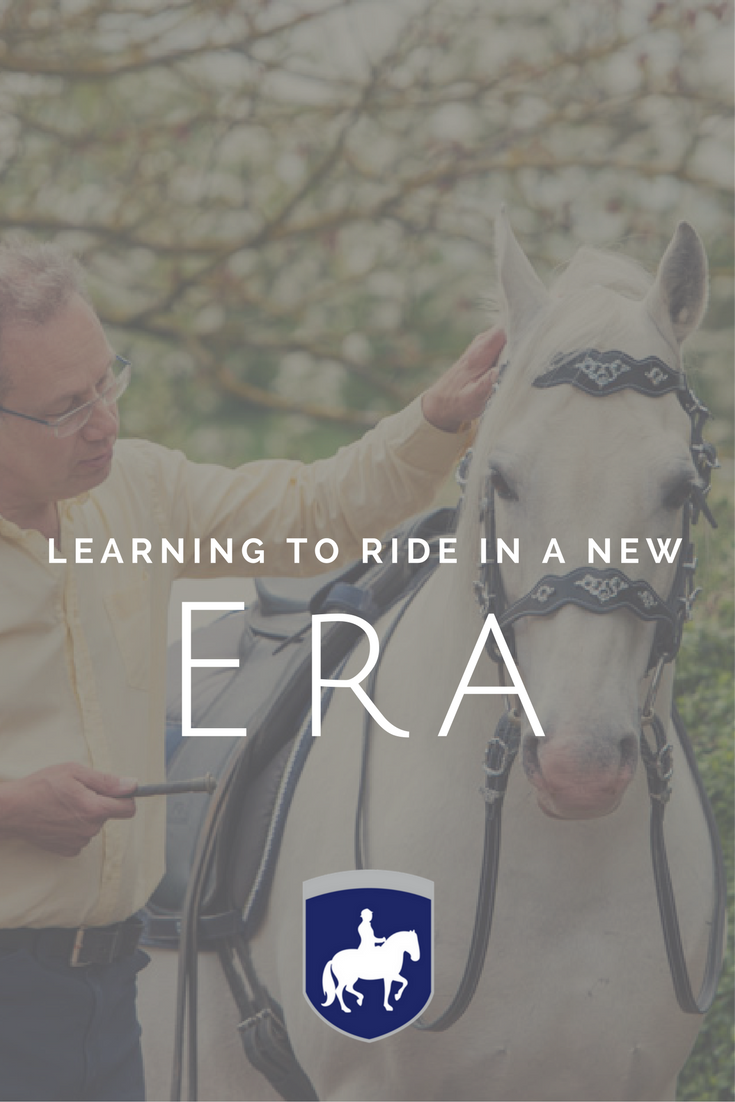
Learning to ride in a new era
Equestrian culture has changed drastically throughout the centuries, and it continues to change at a rapid pace. Many spend their time and energy bemoaning the loss of the bygone methods, culture, and ideology, and I, too, used to belong to that camp… the camp that idolises the old masters and thinks they and everything they did was infallible. But with age and experience come some hard-earned insights, and I no longer view the history with such rose-colored glasses. There was a lot of good then, indeed, but it was not all good. It was not perfect, and like all other arts, equestrian art is evolving. It continues to evolve. It flows through time, adopting some new values while relinquishing others. Equestrian art is, therefore, a dynamic art. It changes and it can be changed.
2 Exercises To Improve Your Canter Departs
We introduce two exercises from the Arena GPS series (www.equestrian-mobile-guides.com) that help to prepare and improve the canter depart.
Both exercises are most effective when you ride trot - canter transitions. They are simple enough that you can ride them with a 1st or 2nd Level horse.
Difficult Horses
What Makes A Horse Difficult?
In most cases the difficulty probably consists of the horse “not sticking to any rules” that the rider has learned. None of the standard recipes of the riding instruction manuals seem to work on a horse like that. He hasn’t read a single book and obviously doesn’t know how to behave as a proper horse. In addition, difficult horses are usually too sensitive and explosive, or too phlegmatic and sucked back. So, their disposition is problematic.
4 Things you can do when the inside hind leg pivots in Turns on the Haunches
One problem I see in many riding lessons is that horses pivot with their inside hind leg in a turn on the haunches. In dressage, this is considered a mistake because the footfall sequence of the walk is interrupted, if only three legs are moving and the fourth one is stuck on the ground. It also cause the horse to brace with his belly muscles and the muscles of his inside hind leg.